Mould Prevention St George
We take away the moisture mould needs, so it has nowhere to grow.
Mould prevention in St George is about finding the moisture first. Mould spores are always around; they only grow on surfaces that stay damp. In a solid brick bungalow that’s usually a wall with rising damp. In a brick veneer home it’s often water trapped in the wall cavity. In a fibro cottage on piers it’s the damp air coming up from a crawl space with no airflow.
Clean the mould and leave the damp, and it returns. We fix the damp. We don’t clean or remove mould ourselves.
What usually feeds the mould
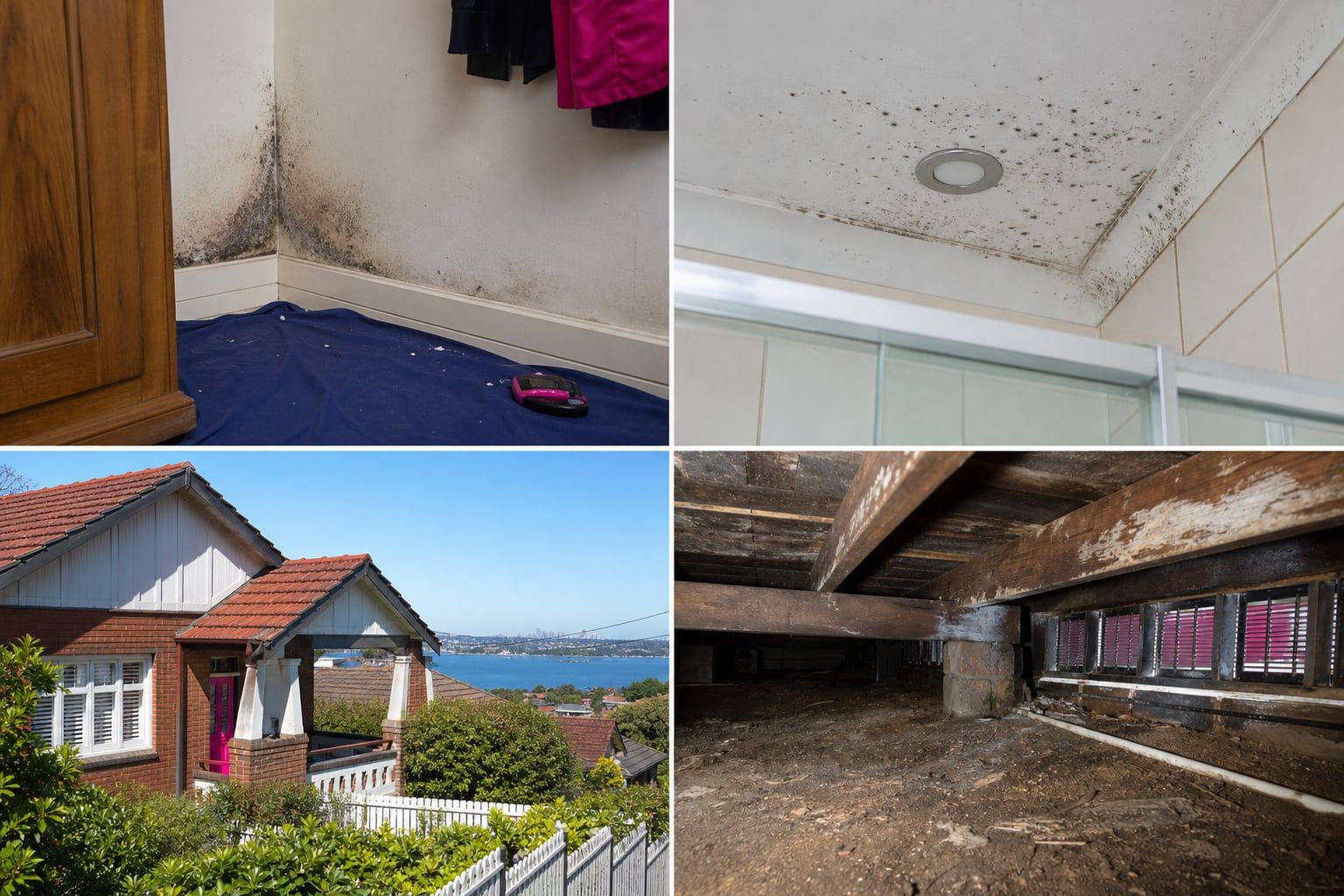
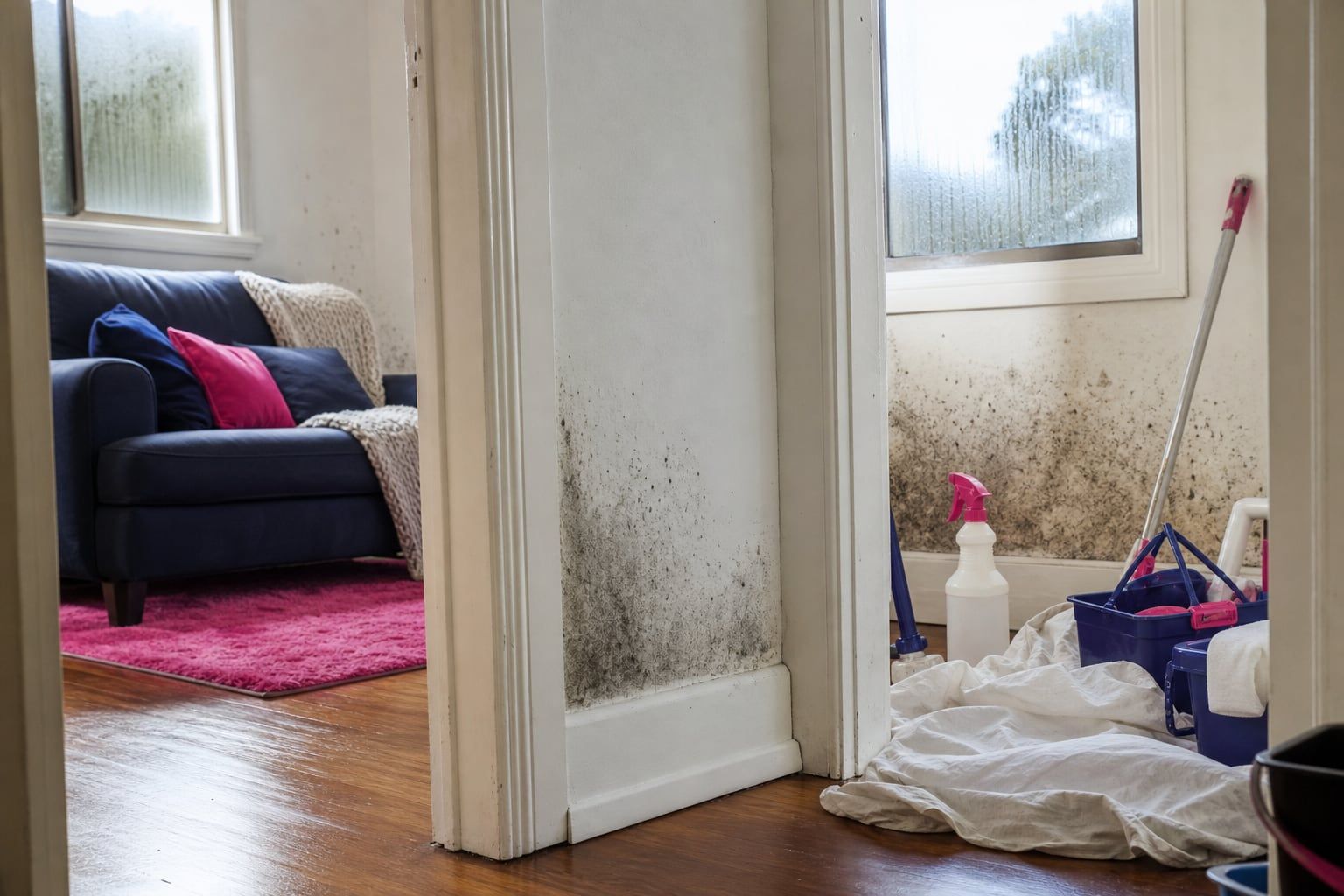
Damp brick walls. Older solid and double brick homes in Kogarah, Rockdale, Bexley and Hurstville with ageing damp courses get a damp band along the bottom of their walls. Mould follows it, especially behind furniture.
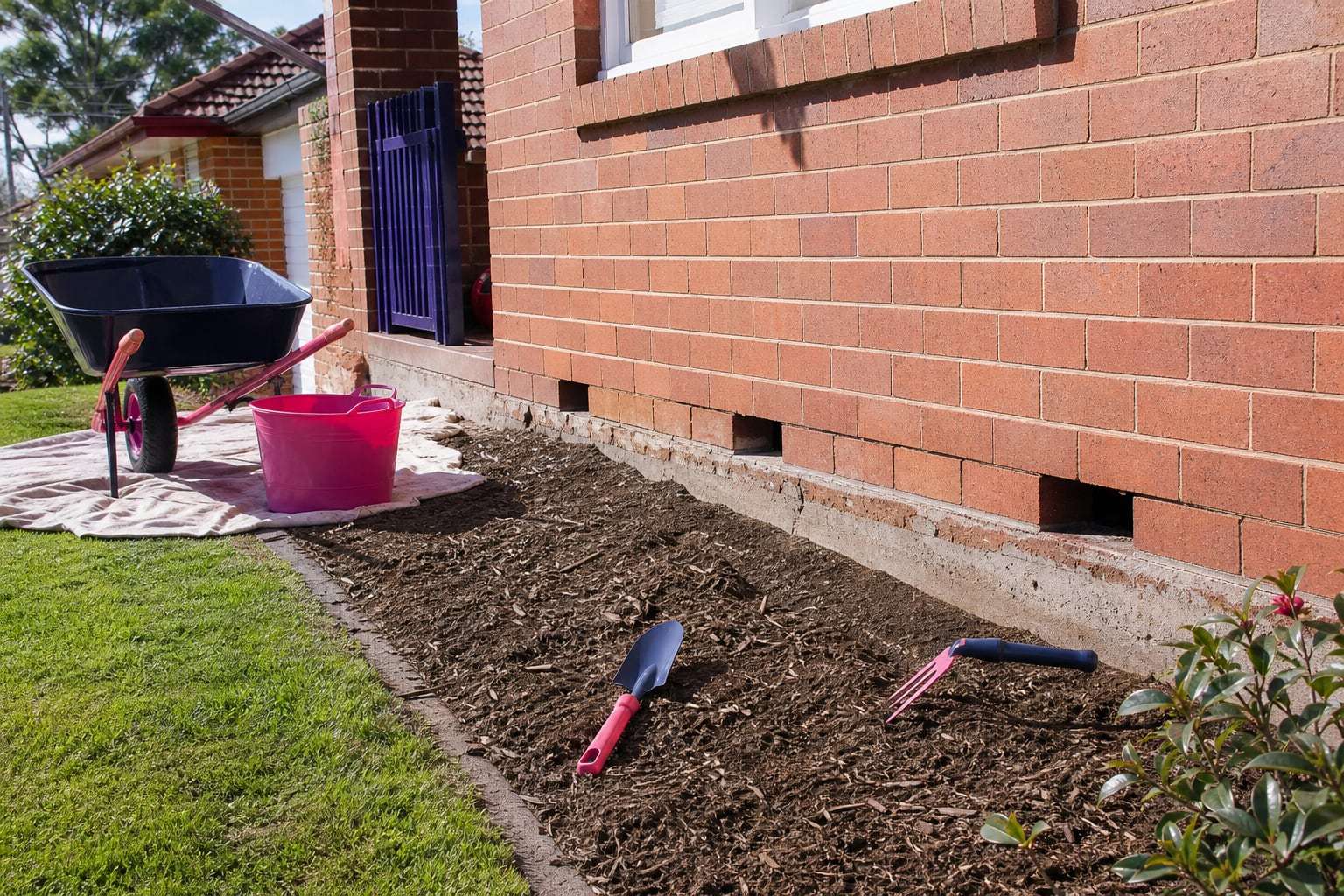
Buried weep holes. In brick veneer homes, soil, mulch and paving over the weep holes trap water in the cavity. Mould appears low on plasterboard walls and inside wardrobes. Our guide on damp in brick veneer homes explains it.
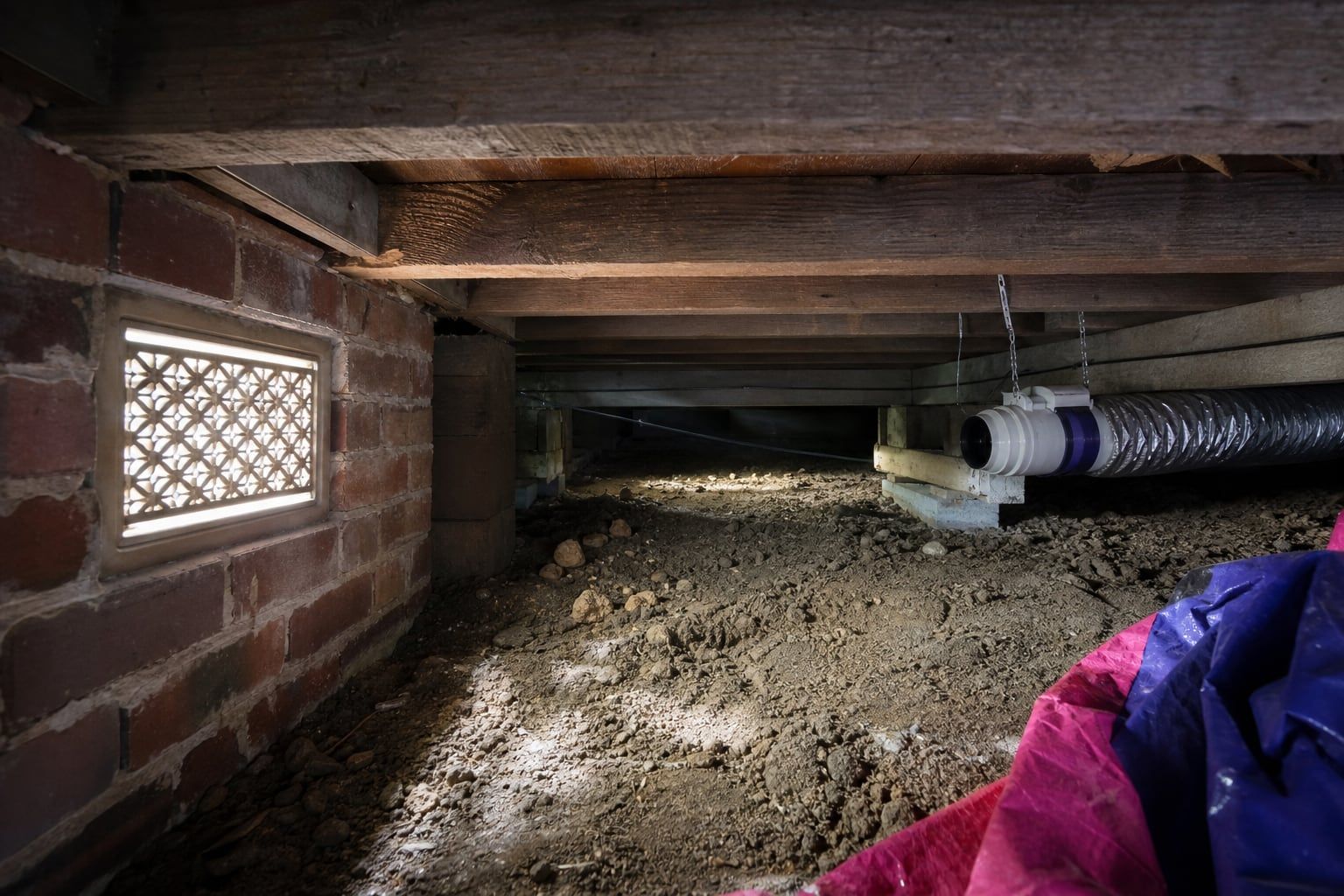
Stale subfloors. Fibro cottages and bungalows on piers lose their airflow when decks, extensions and garden beds cover the vents. Damp air rises through the floor. See damp in fibro cottages.
Wet ground near the bay. Around Brighton-Le-Sands, Ramsgate and Sans Souci the ground stays damp for long spells, which keeps walls and subfloors wetter for longer.
Condensation. Bathrooms and laundries without exhaust fans, and closed-up bedrooms, can grow mould from moisture in the air.
How we stop it
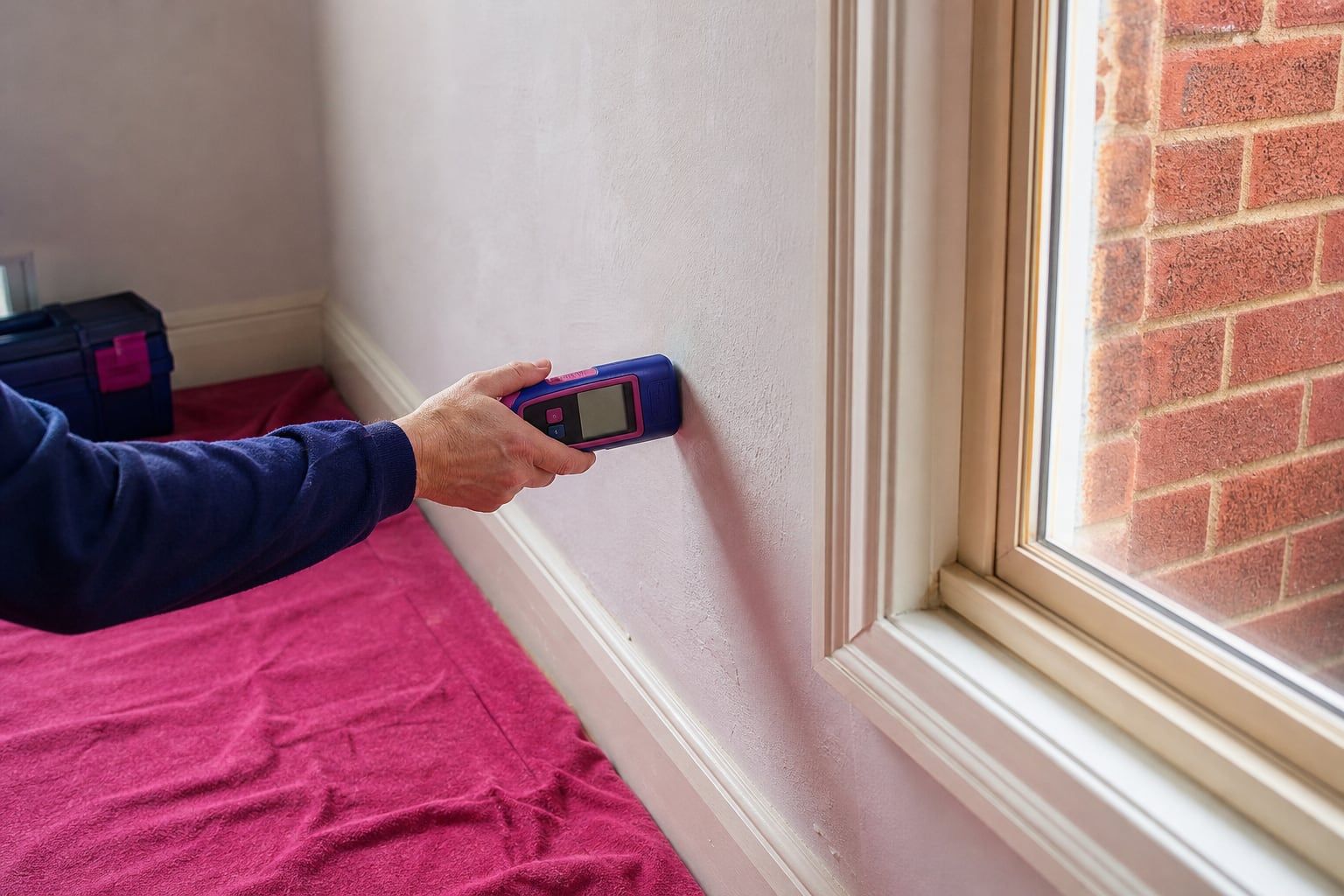
We start with a free inspection around the mould and through the house. Our damp inspection page explains what’s covered.
Then we fix the source:
- Clearing and protecting weep holes, lowering garden beds and fixing drainage, as described on our damp wall drainage page.
- Subfloor fans and cleared vents for crawl spaces that can’t breathe.
- A new damp course where readings confirm rising damp in brick walls.
- Simple fixes where they’re enough, such as ducting an exhaust fan outside.
Fibro and asbestos
Fibro made before about 1990 may contain asbestos. We don’t cut, drill or sand old fibro, and we don’t disturb mouldy fibro sheeting. Any removal must be done by a licensed asbestos removalist.
Once the damp is fixed
Existing mould can be cleaned and won’t keep returning. Use a cleaner or remediation specialist for larger areas. Damaged plaster is replaced through our damp plaster repairs; damaged plasterboard is replaced by a builder.
What helps day to day
Use exhaust fans, open windows on dry days, keep wardrobes slightly off external walls, and keep garden beds and mulch clear of the weep holes. They help, but they won’t stop mould fed by a damp wall, cavity or subfloor.
Why it shows up in winter
Most St George mould calls come in the cooler months. Walls and floors are colder, windows stay shut, washing dries inside and the ground stays wet longer between rain. A house with a small damp problem in summer can tip into visible mould by July. Fixing the damp in spring or summer, while walls can dry out, gives the best result before the next winter.
Renters and landlords
If you rent, report mould and damp to your landlord or agent in writing with photos. NSW Fair Trading has information on repairs and who is responsible. We can inspect for the owner and explain the cause.
Book an inspection
If mould keeps coming back, something keeps it damp. We’ll find it. Our overview of St George rising damp explains how we work.
Updated
What good mould prevention looks like
Mould Prevention across St George
Mould Prevention in St George: step by step
- InspectReadings around the mould, plus weep holes, garden beds, drainage and the subfloor.
- Find what feeds itRising damp, water in a veneer cavity, a damp subfloor or condensation.
- Fix the causeDrainage, cleared weep holes, airflow or a damp course, as needed.
- Keep it that wayWe show you what to keep clear so the damp doesn't return.
Mould Prevention questions in St George
Something else on your mind? Call 02 9158 9928 and ask.
Can you remove the mould for me?
No, we don't clean or remove mould. We fix the moisture behind it. For cleaning, use a cleaner or remediation specialist; once the damp is gone, their work lasts.
Why is there mould at the bottom of my plasterboard walls?
In brick veneer homes that usually means water is getting into the wall cavity and reaching the frame, often because weep holes are buried. Clear and protect them and the source stops.
Should I be concerned about mould and health?
NSW Health says damp and mould can affect breathing and make asthma and allergies worse. See your doctor if you're unwell; for the house, the advice is to reduce dampness and improve airflow.